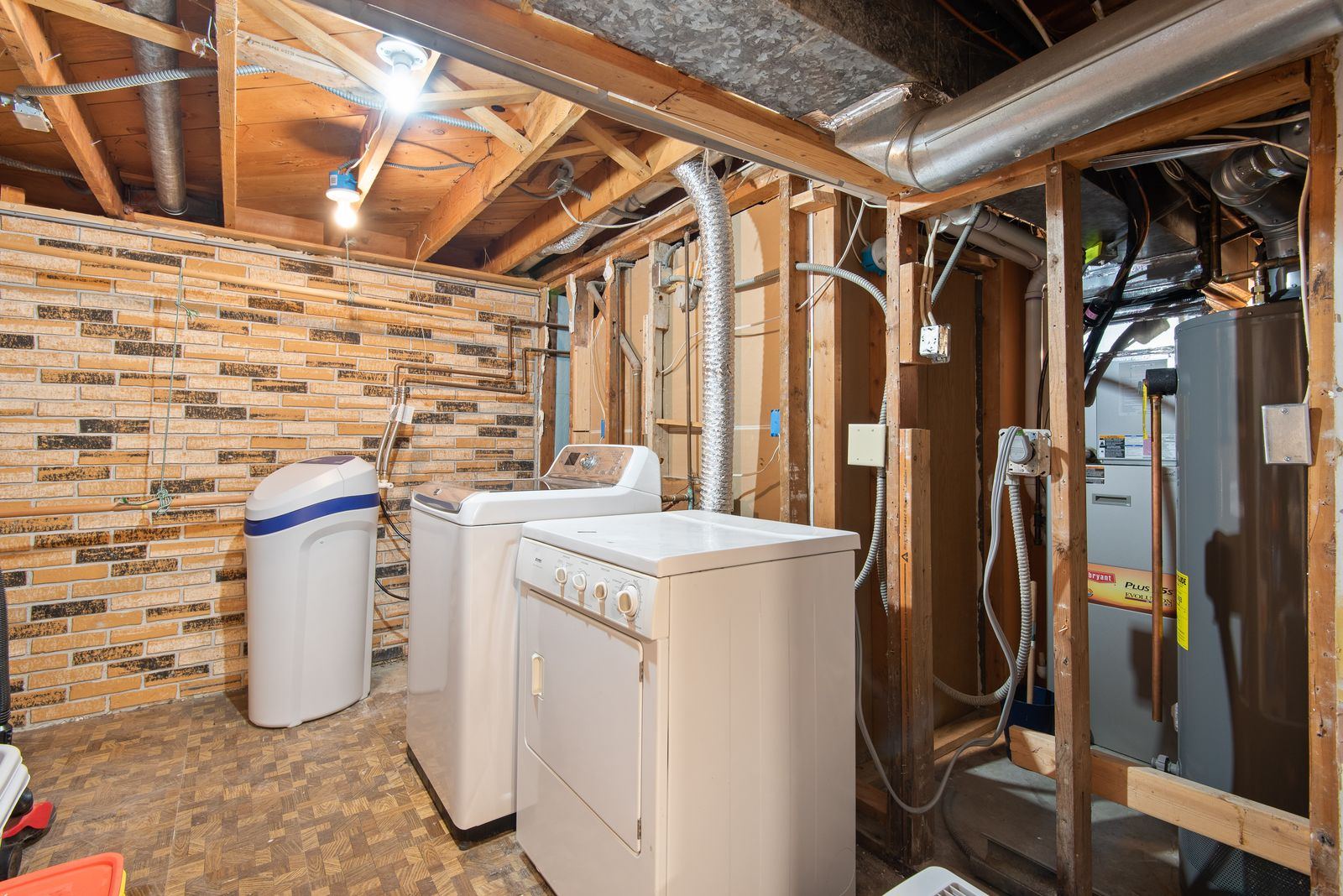
Most gas water heaters in Wilmington, DE work the same basic way. Gas enters through a control valve that doubles as the thermostat and feeds a burner beneath the tank, and the hot exhaust travels up a flue through the middle of the tank and out through the vent. A thermocouple, or a flame sensor on newer electronic models, tells the valve a flame is present; without that signal, the valve shuts off the gas for safety. The design is dependable, but it has a few predictable weak spots. Thermocouples wear out, pilot tubes and burner ports clog, the flame arrestor screen at the base packs up with lint and dust, control valves fail, and vents lose their draft.
Wilmington Water Heater does not guess with gas appliances. On every Wilmington call, our technicians test the thermocouple's millivolt output, inspect the pilot and burner flame, check gas pressure at the valve, and run a draft test at the draft hood to confirm exhaust is actually leaving the house. We look inside the combustion chamber for scorching, rust, and signs of flame rollout, which tell us whether the flue is blocked or the burner is misbehaving, and we check for carbon monoxide around the heater. One rule comes before all of it: if you smell gas, do not light anything or flip switches. Leave the house, call your gas utility from outside, and then call us once it is safe.
Some gas heaters need a quick part swap, and some need an honest conversation. We handle both. Thermocouples, flame sensors, pilot assemblies, hot surface igniters, gas valves, and burner cleaning are routine repairs, and we correct venting faults and flush sediment during the same visit when needed. If the tank is leaking, rusting through, or past about ten to twelve years with a major failure, we will explain why replacement makes more sense. Our installations cover like-for-like swaps and upgrades to power vent or high-efficiency models, with correct gas line sizing, sediment traps, expansion tanks, drain pans, and seismic strapping wherever required. Call (302) 204-4823 to schedule service in Wilmington.
What homeowners call us about most is Water Heater Repair in Wilmington and Water Heater Installation in Wilmington. Start there if you're not sure what you need.
How to Tell Something Is Wrong
A heater that is starting to struggle rarely hides it for long, and the clues are easy to spot once you know them. These are the red flags our technicians see most often before a breakdown:
- A vent pipe that has separated, rusted, or left scorch marks near the top of the heater
- A rotten-egg odor near the water heater, in which case get out and call the gas company first
- Less hot water than the tank should deliver
- Loud rumbling from the bottom of the tank
- A pilot light that will not stay lit
- Soot or scorch marks around the burner access door
- A cold tank and a burner that will not come on
- Leaks at the drain valve, the fittings, or the bottom of the tank
A Slow Leak Never Stays Slow
Left alone, even minor symptoms like rumbling or temperatures that swing from hot to warm tend to mean the heater is working its way toward a breakdown. Don't wait. Get Wilmington Water Heater on the phone at (302) 204-4823 and we'll get a technician scheduled.
Need Help With Gas Water Heater Services?
Our experienced technicians are standing by to help.
Call (302) 204-4823 TodayFrequently Asked Questions About Gas Water Heater Services
What a Trained Technician Brings to the Job
Start with the hazards. Fuel piping, an open flame, and exhaust laced with carbon monoxide come with every gas water heater. A loose flare or threaded joint can leak gas, a vent that is disconnected or poorly sloped can spill exhaust back into the room, and a gas valve installed without a leak test is a risk you cannot see. Then there is the diagnostic side: a pilot that goes out can mean a weak thermocouple, a dirty pilot orifice, a clogged flame arrestor, a draft problem, or a failing gas valve, and working through them by guesswork is slow and costly.
What a trained technician brings is certainty. We test instead of guessing, from thermocouple millivolt readings and burner flame checks to gas pressure at the valve and a draft test at the hood. Before we leave, every connection is leak-tested, the vent is confirmed to carry exhaust outside, and CO is checked. And because some gas heaters are not worth another repair, we give you a straight answer on repair versus replacement first, then handle either one with correct venting, gas piping, and the code items your installation requires.
From Your Call to Hot Water
Our workflow is simple and thorough, so nothing gets missed between the fuel supply and the relief line. Here's the short version:
Safety Check & Diagnosis
Before anything is replaced, we confirm the heater is safe to work on and test each part of the ignition, gas, and venting systems to pinpoint what actually failed.
Clear Answers & Upfront Price
We show you what failed, explain why, and quote a firm price up front. If the tank is leaking or near the end of its life, we tell you so.
Same-Visit Repair
Common parts ride on our trucks, so most repairs are done in one visit. When a new heater is the answer, we handle the gas connection, venting, and required safety items.
Full Safety Test
We light the heater and check every gas joint for leaks, confirm the vent drafts properly, and verify the burner flame and water temperature before we leave.
Not Sure What You Need?
We give honest advice and upfront pricing on every job, big or small.
Call (302) 204-4823 NowHow to Prevent Water Heater Problems
A few simple habits, like an annual flush and a quick look at the relief valve, can add years to a tank. Put these technician-approved steps to work at home:
- Install carbon monoxide alarms on every level of the home and test them monthly
- Keep the area around the heater clear, especially of gasoline, paint, and solvents
- Keep the thermostat around 120 degrees to save energy and reduce scalding risk
- Clean dust from around the base so the burner gets plenty of combustion air
- Check the anode rod every three to five years, since it protects the tank from corrosion
- Check that the vent connector is secure and rising toward the chimney or flue
- Drain sediment from the bottom of the tank once or twice a year
Doing It Yourself vs. Hiring a Technician
A few tasks, like checking the temperature setting or lifting the relief valve lever to test it, are fine for homeowners, but most water heater work involves gas lines, venting, 240-volt circuits, or a tank full of scalding water, and that belongs with a professional. A side-by-side look:
| Consideration | Doing It Yourself | Hiring a Pro |
|---|---|---|
| Finding the Fault | Replace the thermocouple and hope | Instruments pinpoint the actual failure |
| Gas Leaks | No leak detection after the work | Connections checked with leak solution or a detector |
| Exhaust Safety | Carbon monoxide risk unchecked | Spillage and CO checked at the appliance |
| Permits & Code | Permit and inspection often skipped | Installation meets local requirements |
| Tank Condition | Tank condition never evaluated | Honest read on the tank's remaining life |
| Outcome | Symptom patched, cause remains | Real fault repaired and tested |
Get Gas Water Heater Services Help Today
Every day a leak or a failing part goes unchecked puts more stress on the tank. Get Wilmington Water Heater on the job today.
Get Help: (302) 204-4823Where We Provide Gas Water Heater Services
We serve Wilmington and its neighboring towns for gas water heater services, from quick same-day repairs to planned installs.