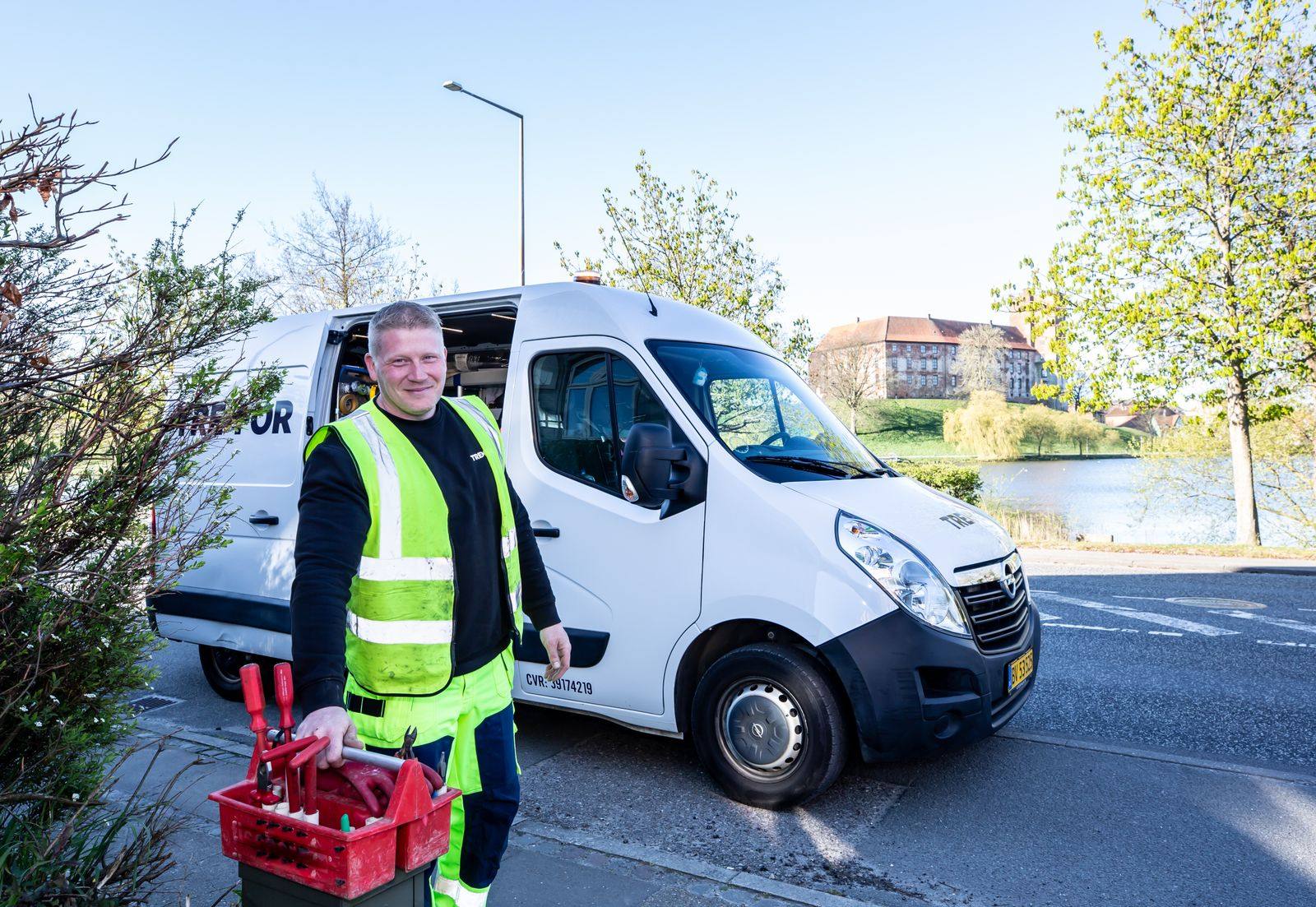
Many of the installation calls we get in Wilmington, DE are not replacements at all. A household outgrows its tank and needs more capacity. Someone wants the tank moved from a hall closet to the garage or basement. A remodel calls for a second unit at the far end of the house, or an all-electric conversion means trading gas for a heat pump model. What these jobs share is new work: gas lines that must be sized for the load, vents that must be routed and pitched correctly, circuits that must match the heater, and water lines that must be run cleanly. Wilmington Water Heater works all of that out before the installation starts.
Sizing and placement decide most of the outcome. For a tank, the first-hour rating is the number we compare against your household's busiest hour; for a tankless unit, we size by flow rate and winter temperature rise. Then comes placement. Gas heaters need a proper vent route and combustion air, heat pump heaters need open space and a condensate drain, and whole-house electric tankless units often need a large dedicated circuit and the panel capacity to match. Any heater placed above a finished ceiling needs a drain pan, and a gas unit in a garage may need to sit on a raised platform where code requires it. We explain the trade-offs plainly and without pressure.
The final stretch is where a careful installer and a fast one look nothing alike. Our technicians leak-test every gas joint, set vent pitch and clearances to the manufacturer's spec, match the circuit and breaker to the heater, and use dielectric unions or fittings where copper meets steel. The relief valve discharge line runs full size to where it belongs, and expansion tanks, drain pans, and seismic straps are installed when code requires them, with the permit handled when needed. Finally we fill, purge, and fire the heater, check draft and carbon monoxide, and set the temperature near 120 degrees. Call (302) 204-4823 to book an assessment for your Wilmington home.
Swapping out an old tank instead? See Water Heater Replacement in Wilmington.
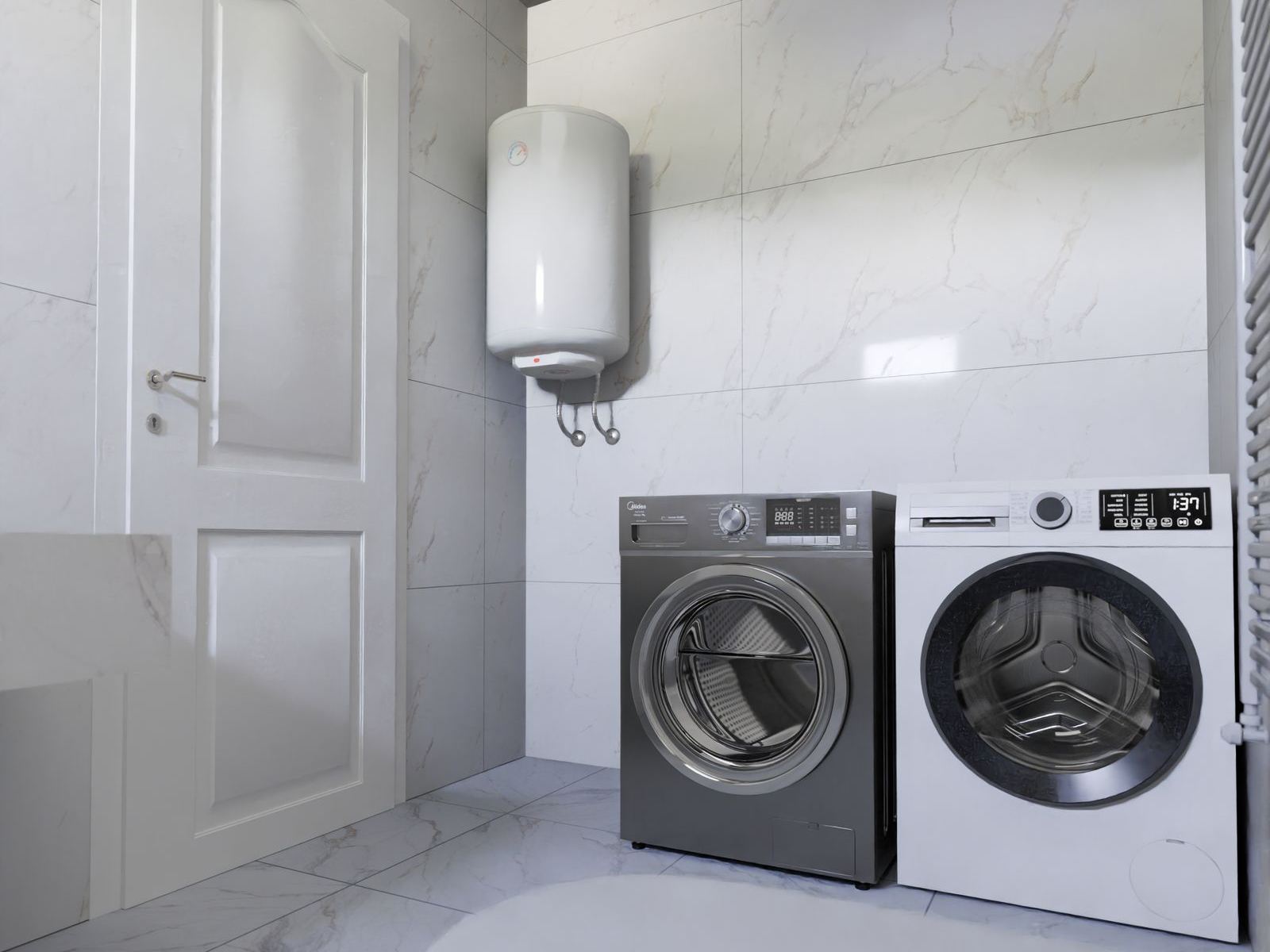
How Much Does Water Heater Installation Cost in Wilmington?
A typical water heater installation in Wilmington costs $1,100 to $5,500, parts and labor included. What you pay depends first on the unit you choose, then on how much gas, venting, electrical, and plumbing work the spot needs. Every install starts with a quick site visit and a clear quote.
| Installation | Typical cost | What it usually means |
|---|---|---|
| Standard tank, same locationExisting water, gas or power, and venting reused | $1,100–$2,800 | Existing water, gas or power, and venting reused |
| Tankless water heaterSized by flow rate; gas line and venting drive the price | $2,800–$5,500 | Often needs a larger gas line and new venting |
| Heat pump (hybrid) water heaterNeeds open air, a condensate drain, and a 240V circuit | $2,800–$5,000 | Needs open air, a condensate drain, and a 240V circuit |
| Relocating the water heaterNew water, gas, or power runs to the new spot | $500–$1,500 added | Moving it out of a closet, attic, or living area |
| New gas line or ventingCommon with tankless and high-efficiency units | $300–$1,200 | Common with tankless and high-efficiency units |
| Dedicated 240V circuitDepends on panel space and the length of the wire run | $300–$1,000 | Electric tanks, electric tankless, and heat pump units |
| Expansion tank, drain pan, strapsCode items many areas require on new installs | $150–$500 | Protects against pressure spikes, leaks, and movement |
Typical installed ranges. Your exact price is quoted after we see the space, venting and hookups.
What Affects the Price
- Tank, tankless, or heat pump, and the capacity your household needs
- How much gas, venting, or electrical work the new heater requires
- Relocation, which adds new water, fuel, and drain lines
- Permits and code items your area requires
If you are replacing a working-but-aging heater, we can plan the install on your schedule instead of in an emergency. Ranges are typical, not quotes; call (302) 204-4823 and we'll price your install.
Symptoms That Mean It's Time to Call
Most tanks announce trouble weeks or months ahead with rumbling noises, rusty water, or hot showers that keep getting shorter. These are the red flags our technicians see most often before a breakdown:
- A new jetted tub that outpaces the heater's capacity
- A planned switch from gas to electric, or to a heat pump model
- New construction or a major renovation that needs a heater from scratch
- A water heater installed above finished rooms with no drain pan
- Hot water running out before everyone has showered
- Long waits for hot water at faucets far from the heater
- Remodel plans that add fixtures or a second bathroom
- Missing code items like an expansion tank, drain pan, or proper venting
Small Symptoms, Big Consequences
Left alone, even minor symptoms like rumbling or temperatures that swing from hot to warm tend to mean the heater is working its way toward a breakdown. Call Wilmington Water Heater at (302) 204-4823 at the first sign of trouble.
Talk to Us About Water Heater Installation
Our experienced technicians are standing by to help.
Tap to Call (302) 204-4823Your Water Heater Installation Questions Answered
Why This Job Calls for a Pro
A new water heater installation is really several trades in one job. Gas piping has to be sized for the heater's input and every other appliance on the line, then pressure-tested and leak-free. Venting has to follow the manufacturer's rules for diameter, length, pitch, and clearance to combustibles, or carbon monoxide can spill back into the house. Electric and heat pump units need a circuit, breaker, and wire gauge matched to their load, and whole-house electric tankless units can draw more current than many panels have to spare. Then come the water-side details: shutoffs, dielectric transitions, a correctly rated relief valve with a full-size discharge line, and code items like expansion tanks, drain pans, and seismic straps that differ from place to place.
What you get from a pro is an installation that is done once. The gas line, vent, and circuit are planned before the first cut, the permit is handled when required, and the relief valve discharge and code items go in correctly. We test every joint, check every gas install for draft and carbon monoxide, and set the temperature low enough to prevent scalding. Rushed installs tend to leave undersized gas lines, bad vent pitch, and missing expansion tanks behind. Ours are built to pass inspection and to last. And if the simpler option is the right one for your home, we say so plainly.
From Your Call to Hot Water
We work through a clear, repeatable process so you always know what's happening and what it will cost. Here's a look at each step our team takes:
Site Assessment
Household demand, fuel options, vent routes, panel capacity, and local code are all reviewed before we recommend a heater or a spot for it.
Clear Plan & Price
You receive a written plan covering the heater, the piping, venting, and electrical work, and any code items, plus one firm price.
Clean Installation
Most installs are finished in one or two days. We handle the gas, water, venting, and electrical work to code and keep the work area tidy.
Verified Startup
Nothing is assumed. After a full heating cycle and a round of leak, draft, and combustion checks, we show you the shutoffs, the relief valve, and how to care for the new heater.
Water Heater Care Tips From Our Technicians
A few preventive steps can help you avoid a cold shower or a wet floor down the road. Put these technician-approved steps to work at home:
- Leave working space around the heater, and never stack storage against it
- Moisture in the drain pan or at the relief line is an early warning worth a call
- Keep the temperature around 120 degrees; hotter settings raise the risk of scalding
- Keep flammable liquids and clutter away from gas heaters
- Schedule regular maintenance, including an anode rod check
- Descale tankless units once a year, or more often with hard water
- Drain a few gallons from a new tank twice a year to control sediment
Should You DIY or Call a Pro?
The line between a safe DIY check and a risky repair is usually the moment you need to open a gas fitting, a vent connection, or an electrical cover. Here's how the two approaches stack up:
| Factor | Doing It Yourself | Professional Service |
|---|---|---|
| Sizing | Guessed from the old unit | First-hour rating or GPM matched |
| Gas Piping | Joints tightened but never tested | Load calculated, leaks tested |
| Venting | Wrong pitch, length, or clearances | Routed to the manufacturer's spec |
| Wiring | Circuit reused without checking | Circuit matched to the heater's load |
| Code Items | Permit and inspection overlooked | Required items installed, permit handled |
| Result | Hot water, with hidden problems | Leak-free and vented right |
Book a Visit Today
Get your hot water back before a small fault turns into a flooded floor. Wilmington Water Heater is ready to respond fast.
Tap to Call (302) 204-4823Where We Provide Water Heater Installation
We serve Wilmington and its neighboring towns for water heater installation, from quick same-day repairs to planned installs.